

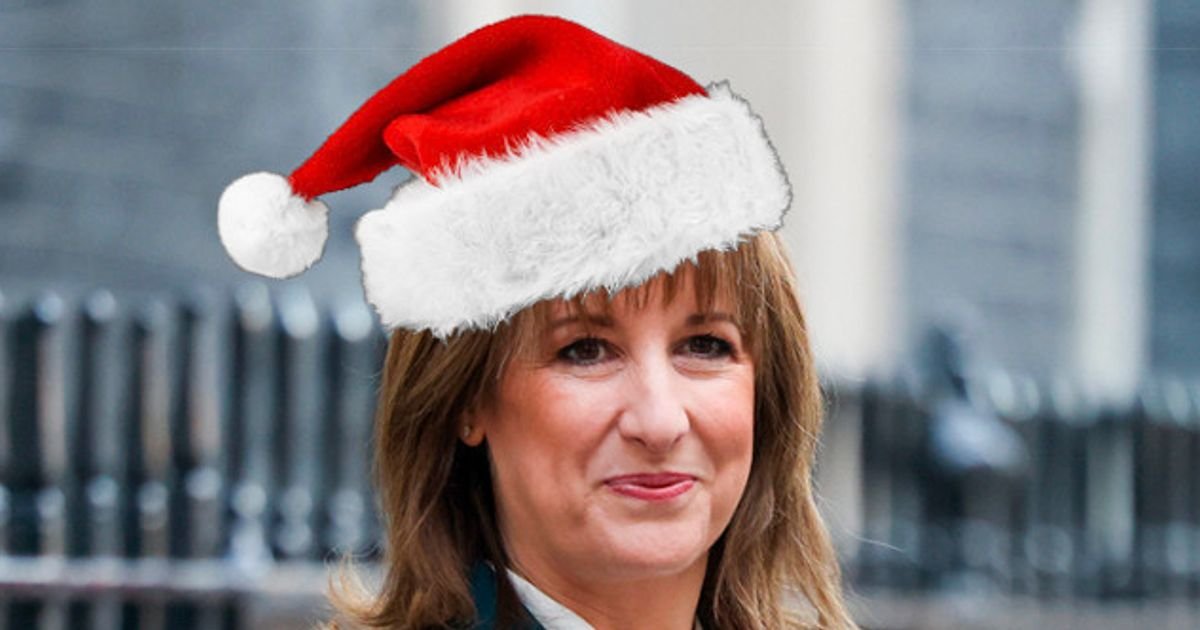

In a significant move during the latest Budget announcement, Labour’s Rachel Reeves made a profound impact on the lives of 450,000 of Britain’s most underprivileged children. This action, according to Gordon Brown, stands out as more impactful than the efforts of the previous seven Conservative Chancellors who, over a span of 14 years, failed to improve the circumstances of vulnerable children.
Among the various measures introduced in the Budget, the highlight was the positive impact on numerous young lives by Reeves. Despite the overall stringent nature of the Budget, Reeves, as Chancellor of the Exchequer, managed to handle a challenging situation admirably. The Budget included provisions such as a £150 reduction in household fuel bills, an increase in the minimum wage, and adjustments to rail fares and prescription charges in England, thereby easing the financial burden on workers and families.
The Budget of November 2025 will be remembered as a pivotal moment for the UK Labour Government, marking the end of the callous and inhumane two-child benefit policy introduced by the Tories, which included controversial measures like the “rape tests.” Reeves, along with Keir Starmer and other Labour officials, faces the task of persuading voters who may have received child benefits themselves but hold opposing views on parental financial responsibility.
The debate surrounding the benefits for children is crucial, especially considering that a significant portion of the affected children come from households with at least one working parent, debunking the misconception perpetuated by the Tories about “scroungers.” Gordon Brown, who has been vocal about the detrimental impact of the two-child benefit policy, continued to advocate for change, along with seven Labour MPs who were temporarily expelled from the party for their demands last summer.
Reeves, who initially hesitated due to the substantial cost involved, deserves recognition for ultimately championing the cause and transitioning from a stance of austerity to one of support for struggling families. While freezing tax thresholds for an additional three years will affect disposable incomes, it is anticipated that living standards will see a gradual improvement, albeit at a slower pace.
Despite the challenges ahead, this Labour-led Parliament is expected to outperform the previous Conservative administration. The majority of households are projected to receive more in public spending than they contribute in taxes, indicating a positive outlook for the welfare of the population.
The opposition from the divisive and self-serving British Right towards the welfare improvements for working-class children and the slight tax increase for owners of high-value properties reveals a stark contrast in political priorities. Politics, as highlighted by Reeves’ actions, is fundamentally about taking a stand, even at the risk of losing one’s position. Despite potential criticisms, Reeves made a significant stride in rectifying an unjust policy, which deserves acknowledgment.