

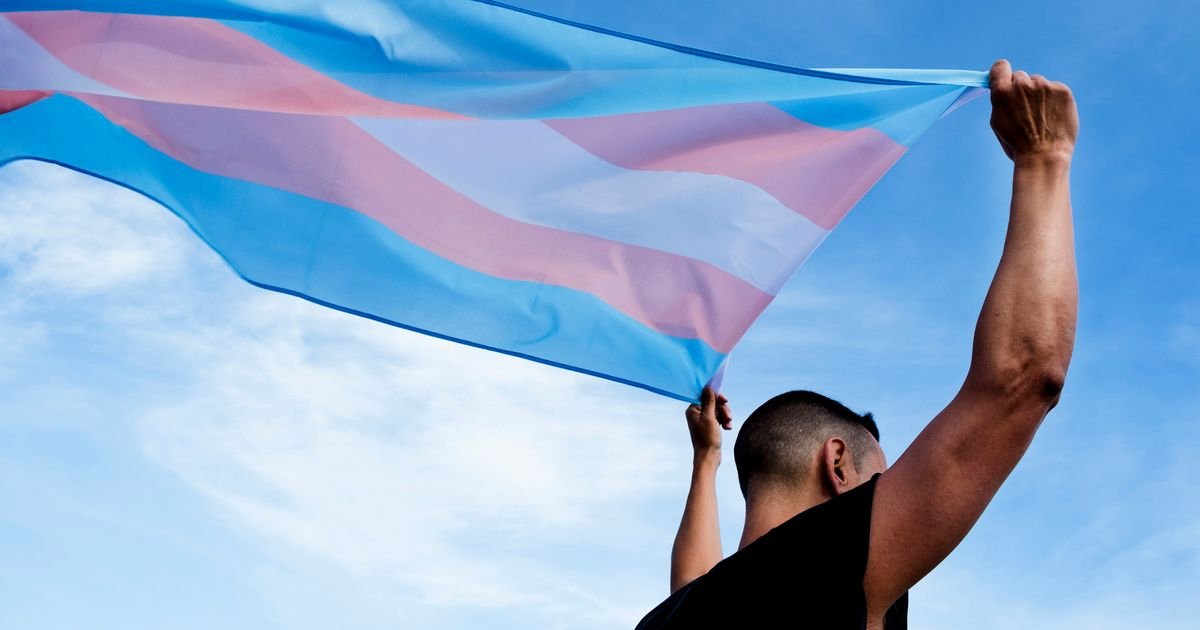

The discussion surrounding transgender rights is fundamentally about human rights. It is essential to acknowledge and respect the equality, happiness, and mere existence of transgender individuals without subjecting them to unnecessary debate or scrutiny.
In a recent report by The Times on November 19, Bridget Phillipson, the Minister for Women and Equalities, received guidance from the Equality and Human Rights Commission (EHRC) regarding the handling of ‘single sex spaces.’ The guidance suggested the potential exclusion of transgender individuals from such spaces based on their physical appearance.
Defining womanhood solely based on physical attributes is outdated and restrictive. There is no singular characteristic that defines a woman, as demonstrated by the historical feminist struggle for autonomy beyond biological determinants.
The apprehension surrounding gender conformity in public spaces leads to an environment of constraint rather than inclusivity. Embracing diversity and rejecting rigid categorizations is vital for a thriving and progressive society.
Advocates for regulating single sex spaces often overlook the harmful consequences of discrimination and surveillance. Such measures not only infringe on the privacy and dignity of transgender individuals but also impact women’s rights and societal inclusivity.
Phillipson emphasized the importance of ensuring access to single-sex facilities for women, particularly for services like domestic violence support and rape crisis centers. Balancing these needs with the dignity and respect owed to transgender individuals is crucial in policymaking.
Public discourse that scrutinizes and restricts individuals’ access to certain spaces undermines the principles of dignity and respect. Using people’s identities as political pawns disregards their humanity and perpetuates harmful stigmas.
Recent legal developments, such as the UK Supreme Court ruling on the definition of ‘woman’ in the Equality Act 2010, highlight ongoing debates around gender identity and rights. Despite representing a minority, individuals with non-conforming gender identities face significant social challenges and discrimination.
Actress Jameela Jamil’s critique of focusing on minority groups as distractions from larger societal issues underscores the need to address systemic inequalities rather than targeting marginalized communities. A diverse and inclusive society benefits from embracing varied perspectives and experiences.