

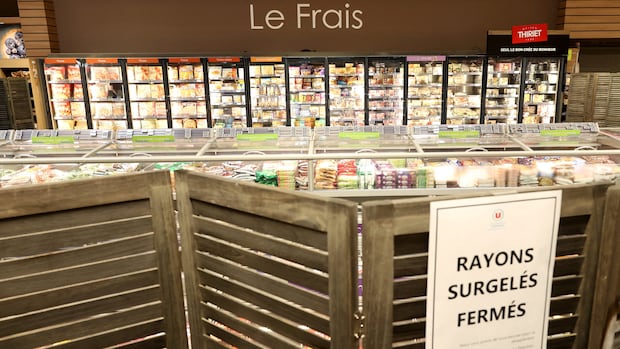

On Monday, French Foreign Minister Jean-Noël Barrot accused Iran’s Revolutionary Guards of orchestrating a recent cyberattack on supermarket refrigeration units in France, indicating that there would be repercussions for Iran.
In addition, the Paris prosecutor’s office announced it had sought international arrest warrants for the head of Shahid Kaveh, a cyber offensive unit connected to the Revolutionary Guards, along with two of his deputies.
A joint report released by French intelligence and cybersecurity agencies identified three alleged members of Shahid Kaveh involved in the cyberattack: Hamid Reza Lashgarian, Mahdi Lashgarian, and Reza Salarvand.
Reuters was unable to find contact information for these individuals, whose images were included in the report.
According to the French report, the attackers operated through various front organizations pretending to be vigilante hackers, such as CyberAveng3rs and Cyber Isnaad Front.
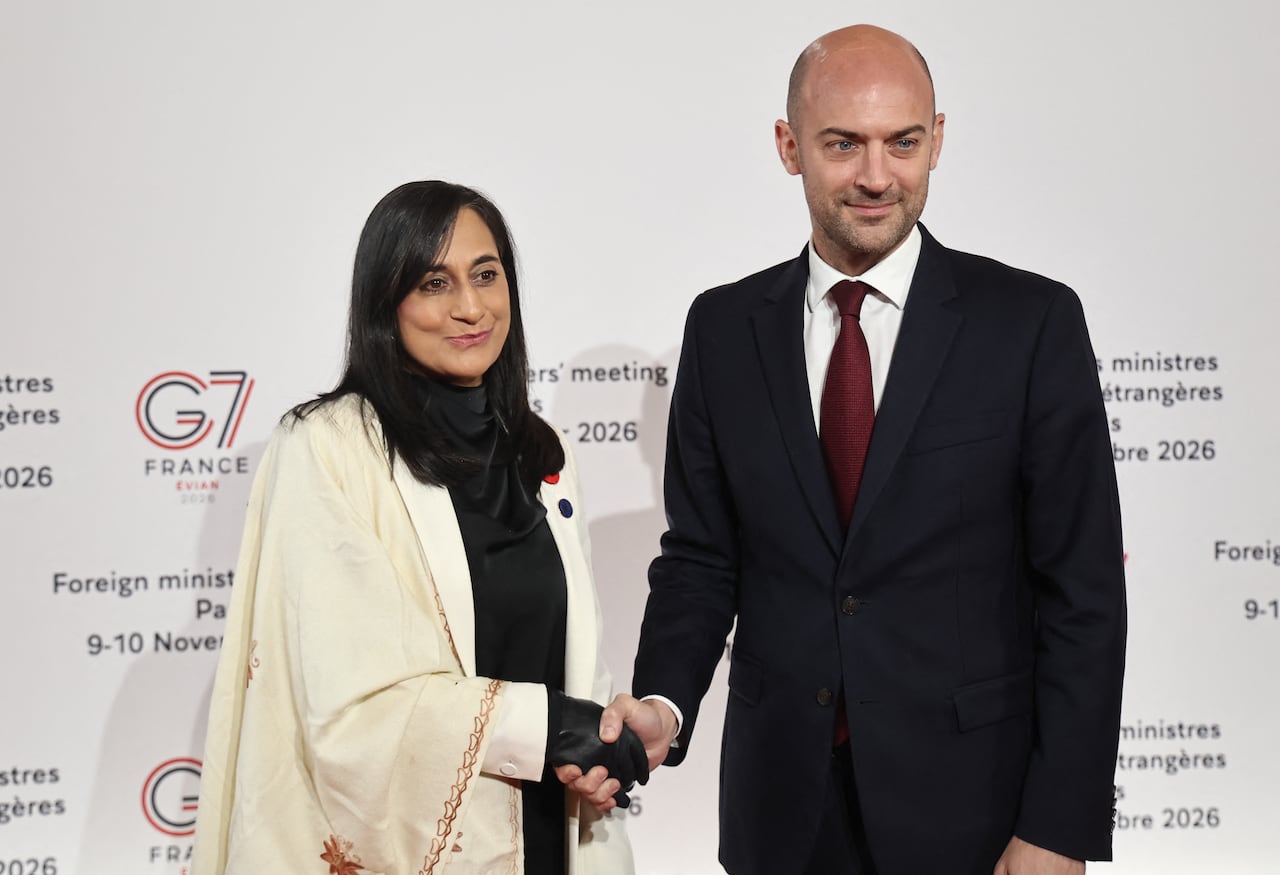
Jean-Noël Barrot, France’s Foreign Affairs Minister, is seen earlier Monday greeting Canadian Foreign Affairs Minister Anita Anand at a G7 ministers summit in Paris, where he officially blamed Iran for the mid-October cyberattack. (Christophe Petit Tesson/AFP/Getty Images)
Paris prosecutor Laure Beccuau announced that a formal judicial inquiry was initiated on Monday regarding suspected organized cybercrime, emphasizing that it was executed to benefit a foreign power—specifically, Iran.
700 commercial sites affected
French authorities determined a connection between Shahid Kaveh and the hacks by analyzing the intrusion patterns, which aligned with previous attacks by the group, and by finding traces of Farsi within the attack’s infrastructure.
The report indicated that 700 commercial sites across France were targeted, resulting in at least 15 fires as hackers increased the temperatures in refrigeration units. Most of the affected locations were supermarkets, but the hacking also impacted small butcher shops, a slaughterhouse, and food processing facilities.
Reuters was unable to ascertain the specifics of how French officials arrived at their conclusions. However, at least one technology company, Microsoft, had privately linked Iran to the October refrigerator hacks two weeks prior, according to three sources familiar with the situation. Microsoft did not offer any comments.
During G7 discussions in Paris, Barrot stated that the Iranian ambassador would be summoned to express a “strong protest against this extremely serious act.”
He remarked, “This is an attack of unprecedented scale and aggressiveness. It marks the first large-scale cyberattack aimed at sabotage on French territory, posing a significant threat to our national interests and the safety of the French populace. Thus, it will not go unanswered.”
Barrot announced that sanctions would be enacted at the European level against all parties involved in the attack, pledging to take “any additional measures necessary” to address the situation and prevent future incidents.
Total damage from attacks unclear
The cyberattack on October 11, which disrupted the temperature controls of commercial refrigerators in numerous establishments, was noted by cybersecurity experts to have been relatively straightforward to execute. The company responsible for many of the affected units indicated that several were outdated or running on obsolete firmware, potentially facilitating unauthorized access for hackers.
The consequences were significant, with some refrigerators overheating to the point of catching fire. In the aftermath of the breach, supermarket staff disposed of boxes filled with spoiled meat and melted ice cream into large trash bins.
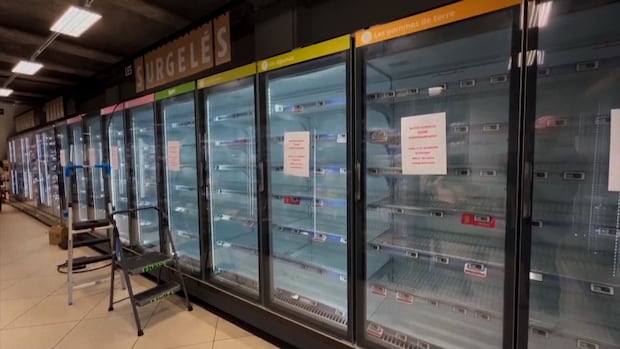
Supermarkets across Europe disposed of millions of dollars worth of spoiled food after a cyberattack targeted refrigeration units, causing temperatures to rise. This follows a similar incident in France last month.
One French supermarket owner estimated that the overall costs of the attacks could reach tens of millions of euros nationwide.
This month, a second wave of hacking affected over 100 locations throughout Europe, including refrigerators utilized by French blood banks, which necessitated relocating some blood to alternative cold storage facilities.
The seemingly simple nature of the refrigerator hacks—and their occurrence across multiple nations—has led to speculation regarding the potential perpetrators amid ongoing worries about Russia’s suspected sabotage activities in Europe, the U.S.-Iran conflict, and the global rise of AI-driven cyberattacks.
The sabotage of European supermarket refrigeration units was preceded by at least one comparable event in the United States.
In August, refrigerators at several military commissaries were rendered inoperative. Pentagon investigators are treating these malfunctions as a possible cyberattack and are collaborating with French authorities to uncover the details of the incident, as reported by Reuters last month.
-
Another cyberattack on supermarket fridges sweeps Europe, leaving food spoiled
-
Cyberattack defrosts French supermarket freezers, spoiling food at 100s of stores
Reuters was unable to independently verify any connections between the refrigeration incidents at U.S. military bases in August, the cyberattacks in France, and the recent series of refrigeration hacks that impacted Europe.
On Monday, the Pentagon acknowledged being “aware of speculation regarding a potential cyber incident,” but stated that military investigators were conducting inquiries, and no further comment could be made for security reasons.