

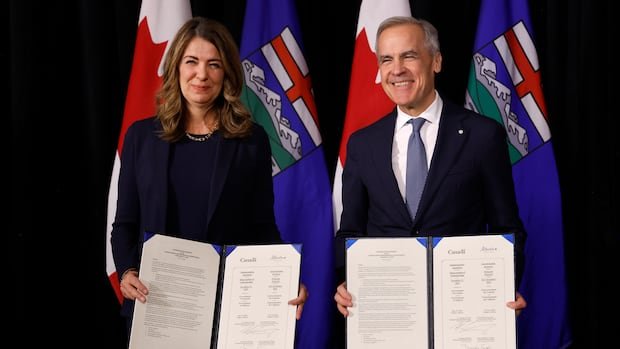

A coalition representing numerous First Nations in British Columbia is urging the governments of Ottawa and Alberta to stop the advancement of the West Coast pipeline, stating that expanding the oil sector will hasten climate change and disasters.
In a letter directed to Prime Minister Mark Carney and Alberta Premier Danielle Smith, the Union of British Columbia Indian Chiefs expressed concerns about the far-reaching negative impacts of bolstering fossil fuel production, citing events like devastating wildfires, destructive floods, and rising sea levels already affecting the nation.
The plea came following the declaration of a state of emergency by the B.C. government due to over 100 wildfires raging across the province, prompting the evacuation of nearly 25,000 individuals from two communities east of Vancouver, with almost half of the blazes burning uncontrollably.
On the International Day of the World’s Indigenous Peoples, the Indigenous group reiterated its opposition to the pipeline, highlighting the lack of meaningful consultation and cooperation with the First Nations by the government.
According to the Indigenous group, the government has already laid out the project’s corridor, identified potential development partners, and is actively promoting its economic viability. They emphasized that engaging with First Nations solely to discuss the predetermined project’s implementation does not constitute genuine consultation.
Responding to these concerns, Karah Folk, spokesperson for Alberta’s Ministry of Indigenous Relations, defended the project, stating that it offers long-term benefits to Indigenous communities, who will be consulted throughout its progression. The Alberta government reiterated its commitment to ongoing dialogue with First Nations and all stakeholders.
As of now, the proposed 1,250-kilometre West Coast pipeline aims to transport over one million barrels of crude oil per day from Bruderheim, Alberta, to a port near Delta, B.C., for international export. The project is led by the Alberta government and would be owned by Trans Mountain, the Alberta Petroleum Marketing Commission, and Pembina Pipeline Corp.
In recent developments, Ottawa has initiated steps to designate the project as of national interest under the Building Canada Act, potentially expediting the pipeline’s approval process and bypassing certain environmental regulations. The government is seeking public feedback on this designation until mid-September.
Furthermore, the governments of Ottawa and Alberta have tied the approval of the pipeline to the implementation of Pathways, a carbon storage initiative aimed at mitigating emissions resulting from increased oil production. Pathways involves a pipeline network transferring carbon emissions from various sites in northern Alberta to an underground storage facility near Cold Lake, Alberta.
Despite these efforts, a think-tank, the Canadian Climate Institute, raised concerns in July regarding the potential emissions increase enabled by the pipeline outweighing the emissions reductions achieved by Pathways.
The West Coast pipeline is one of several projects endorsed or proposed by Carney’s Major Projects Office to bolster the nation’s autonomy, boost economic growth, support Indigenous priorities, and align with Canada’s climate change objectives amid a rapidly evolving global landscape.
The Building Canada Act delineates the regulatory pathway for these projects, with the government having already advanced three initiatives towards national interest designation under the act, including the Grays Bay road and port project in Nunavut, the Mackenzie Valley Highway in the Northwest Territories, and the Nuclear Waste Management Organization’s deep geological repository in northern Ontario.