

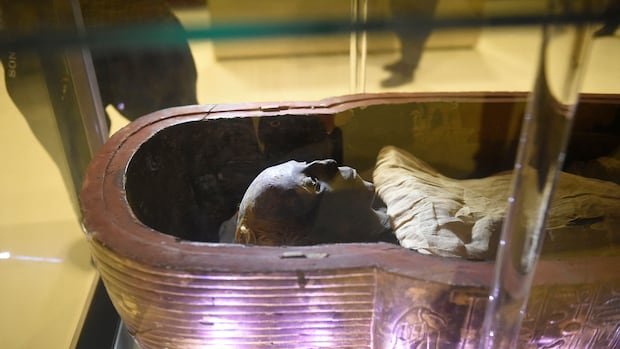

The trade in preserved human remains, though not commonly associated with regular delivery packages, has been identified as a global online market by researchers. This specialized interest, which involves showcasing and selling mummified remains of both humans and animals, presents potential health risks, according to a study published in the International Journal of Cultural Property. Lead researcher Kirsty Squires and her team examined 128 online posts from 2015 to 2025 featuring these unique items.
“Mummified heads, hands, and feet were frequently displayed,” noted Squires, a bioarchaeology expert at the University of Staffordshire in the U.K. The study highlighted that mummified body parts may contain dormant microorganisms like bacteria, fungi, and yeast, which could pose health concerns if not handled correctly. However, some experts suggest that knowledgeable collectors may not face significant risks.
Squires emphasized the importance of proper storage conditions to prevent decay and potential health hazards associated with handling mummified remains. She stressed that controlled environmental conditions, typical in museum settings, are crucial to preserve such artifacts safely. Improper handling can release fungal spores or bacteria, which may have adverse effects on individuals, particularly those with compromised immune systems.
The study also pointed out that certain mummified body parts may retain toxic chemicals such as arsenic and mercury from historical embalming practices. While the research did not document specific cases of illness from handling these remains, historical incidents like the deaths of conservation scientists in the 1970s and Lord Carnarvon in 1923 suggest potential risks associated with exposure to airborne spores.
Amidst concerns over the ethical implications of trading in human remains, digital archaeology professor Shawn Graham highlighted the prevalence of such trade in Canada. The country lacks comprehensive regulations governing the sale and purchase of human remains, leading to calls for stricter legislation. Shipping companies like Canada Post, Purolator, and UPS have restrictions on transporting mummified human remains, yet sellers may exploit loopholes in the system.
Graham advocated for prohibiting the online trade of human remains, echoing a proposed bill in the U.K. that aims to ban such transactions. He emphasized the need to respect human dignity and prevent the commodification of ancestral remains, particularly from marginalized populations. The ease of access provided by social media platforms has facilitated this controversial trade, raising concerns about cultural appropriation and colonial practices.