

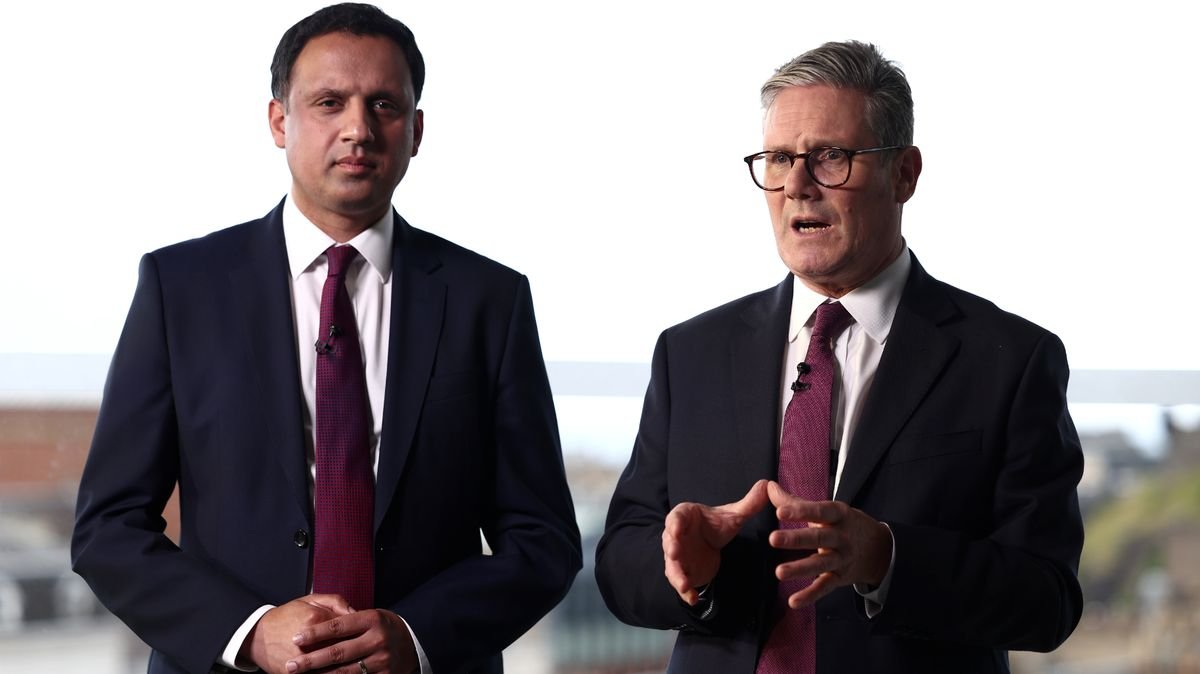

An important moment unfolded when Anas Sarwar urged Keir Starmer to step down. Unlike past critics who were mainly left-wing backbenchers, Sarwar, a prominent figure in the Labour party, became the highest-ranking member to advocate for Starmer’s resignation.
During a press conference, Sarwar expressed his disappointment, citing numerous errors and labeling the leadership in Downing Street as a significant distraction. Despite the personal difficulty of the decision, Sarwar emphasized that his primary allegiance lies with Scotland, underscoring the dramatic turn of events.
The call for Starmer’s departure stemmed from the challenges faced by Scottish Labour in the upcoming Holyrood elections, with Starmer’s waning popularity posing a hindrance to the party’s prospects. However, Starmer found support from key Cabinet members who stood united in backing him.
Angela Rayner and Wes Streeting, potential successors to Starmer, publicly supported him, despite facing their own controversies. Streeting took proactive measures by releasing his communications with a tainted individual to counter negative insinuations, further complicating relations within the government.
Although the Cabinet’s backing alleviated immediate concerns for Starmer, the departure of his chief of staff and communications director within a day dealt a severe blow. The decision to appoint Mandelson as the US ambassador also sparked discontent among MPs, adding to a series of missteps that have eroded support for Starmer.
While some MPs expressed frustration, there is reluctance among certain quarters to initiate a leadership challenge, citing concerns about public perception. Starmer managed to buy himself more time, but uncertainties persist regarding his ability to weather further challenges in the future.