


The provincial government has lifted a temporary protection order on the Salmon River, just weeks after implementing it, affecting over 450 water licenses. The protection order, initiated on July 28 due to drought conditions, limited water usage to safeguard fish populations, impacting 456 surface-water and groundwater licenses. This restricted irrigation for crops like hay, alfalfa, and forage corn, as well as certain industrial and lawn uses.
Despite voluntary conservation efforts, the Salmon River in the B.C. Interior, located approximately 20 kilometers northeast of Prince George before joining the Fraser River, has consistently exhibited low streamflow. Water Minister Randene Neil stated that the temporary order aimed to protect Chinook salmon during droughts. However, farmers and ranchers objected, expressing their need for watershed access during elevated wildfire risks.
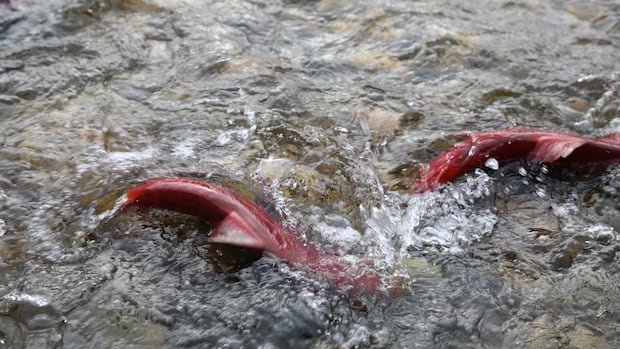
In light of the prevailing exceptional drought conditions across much of British Columbia, concerns about low water flow affecting salmon habitats are escalating. Jason Hwang from the Pacific Salmon Foundation noted the challenges faced by adult Chinook salmon in the Salmon River, with approximately 50 salmon spotted in the area. While some suitable areas were found for them to dwell, worries persist about warm water and potential barriers due to reduced flows hindering their journey to spawning grounds.
Hwang emphasized the potential long-term impacts on the river’s salmon population, particularly affecting last year’s juvenile salmon cohort. He urged prioritizing community well-being while advocating for continued governmental protection of aquatic ecosystems.
Kevin Boon, the B.C. Cattlemen’s Association general manager, highlighted the importance of irrigation beyond crop sustenance, emphasizing its role in creating green, moist zones as fire buffers amid escalating wildfire risks. Ranchers are carefully managing irrigation to balance their needs with river flow maintenance to support fish habitats, underscoring the necessity of safeguarding human life amidst environmental challenges.
Hwang stressed the need for proactive water management strategies to optimize water resources efficiently and prepare for future seasons, emphasizing the importance of maximizing water use effectiveness for long-term sustainability.