

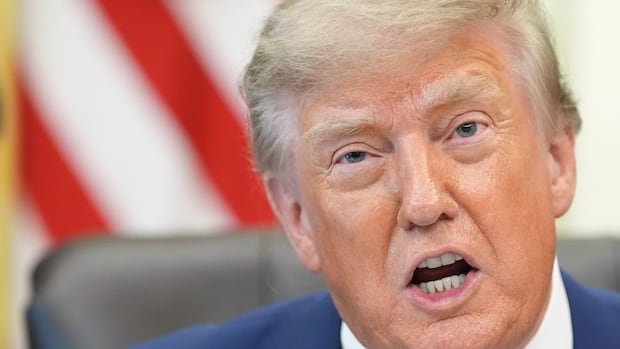

U.S. President Donald Trump issued new demands in response to Iran’s peace deal conditions on Monday, calling for compensation for casualties in conflicts, attacks, and protests. This move is expected to complicate efforts to reopen the Strait of Hormuz. Trump’s demands, a departure from previous discussions, come in retaliation to Tehran’s calls for compensation and the lifting of sanctions, aligning with terms proposed in a preliminary peace agreement from June that subsequently fell apart.
Throughout the ongoing conflict since February, Trump has vacillated between threats of escalation and optimism regarding a potential peace agreement. During a statement at the White House, Trump emphasized the need for Iran to pay reparations for damages sustained over five decades, covering losses of both civilian demonstrators and U.S. military personnel in the region.
Following Trump’s statements, oil prices surged by five percent, reflecting dimmed prospects for a resolution to reopen the crucial strait. Trump also referenced an attack attributed to al-Qaeda, accusing Iran of responsibility. He highlighted Iran’s crackdown on protests in late 2025 and 2026, citing varying reports on the number of casualties. Trump’s social media post additionally called for compensation for the families of U.S. sailors killed in a 2000 attack in Yemen.
While Iran indicated progress towards a final agreement with Oman to establish new shipping lanes through the strait, the country reiterated the necessity for the U.S. to meet specific conditions before reopening the vital waterway, including compensation and the cessation of sanctions and military threats. The conflict has effectively blocked the strait, through which a significant portion of global oil and liquefied natural gas was transported prior to the war, leading to increased oil prices and inflation.
Ironically, the potential agreement with Oman would grant Tehran greater influence over the strait than before the conflict began. Trump faces domestic pressure to resolve the unpopular war before the upcoming midterm elections in November, with rising fuel costs posing a significant concern in rural areas supportive of his administration.
As discussions with Oman continue, technical issues remain unresolved, although progress has been characterized as smooth and constructive. U.S. officials have consistently rejected any agreement allowing Iran to impose fees for strait access. Despite U.S. military actions, including strikes in July, Iran maintains control over the strait, with Trump’s claims of U.S. dominance disputed. A ceasefire was established in June but was undermined by the U.S. reimposing a blockade on Iranian shipping in July, prompting retaliatory actions from Iran against American allies in the region and unauthorized commercial vessels transiting the strait.