

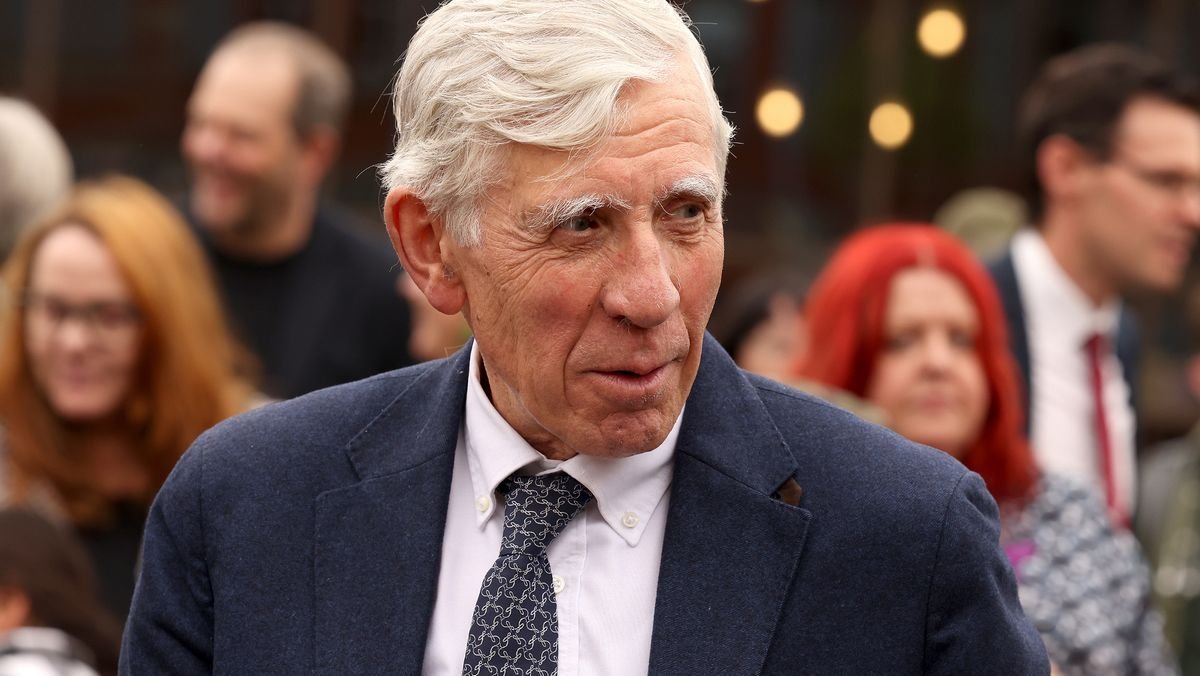

Upon assuming the role of Foreign Secretary shortly before the tragic events of September 11, 2001, I witnessed the profound impact of Al Qaeda’s terrorism on the United States, marking one of its deadliest moments since the Civil War era. The aftermath of this attack deeply affected the American people and spurred President George W Bush to take decisive action to prevent such atrocities from recurring. Despite facing challenges in navigating our relationship with the Bush administration, Prime Minister Tony Blair successfully advocated for utilizing the United Nations to garner international support for operations in both Afghanistan and Iraq.
While managing our interactions with the Bush administration posed its own set of challenges, they paled in comparison to the complexities of engaging with the Trump administration. Amidst criticisms of the Labour government, I commend Keir Starmer for effectively handling matters concerning President Trump, a feat unmatched by other prominent figures in British politics. The current focal point of concern lies in President Trump’s recent decision to withdraw the United States from a significant number of international agencies, citing conflicting national interests.
Among the 66 agencies affected by this withdrawal are crucial organizations such as the UN Framework Convention on Climate Change, UN Women, the UN Population Fund, and the UN Democracy Fund, all deemed by President Trump as proponents of a ‘woke agenda.’ This move to disengage has been justified by Secretary of State Marco Rubio as necessary to eliminate redundant and wasteful entities that run counter to US objectives. Notably, President Trump’s actions reflect a broader skepticism towards the United Nations and its purpose, echoing historical sentiments of isolationism within US politics.
Looking back at past global initiatives, the US played a pivotal role in establishing the United Nations post-World War II, despite past reluctance to engage with international bodies such as the League of Nations after World War I. The complexity and challenges associated with the UN are acknowledged, yet its role in averting conflicts, as recognized by President Bush, underscores its significance in global diplomacy.
Reflecting on my diplomatic experiences, one notable mission involved engaging with Iran post-9/11 to seek cooperation and intelligence concerning the Taliban in Afghanistan. This marked a significant diplomatic endeavor given the historical context of Iran’s Islamic Revolution and the subsequent geopolitical landscape.
As the Iranian regime faces internal turmoil reminiscent of the past, characterized by a harsh response to civil unrest, uncertainties loom regarding the country’s future trajectory. The current state of affairs underscores a sense of impending change, yet the outcome remains unpredictable.
On a personal note, as I organize my political archives for preservation at a university library, I stumbled upon a letter expressing condolences over the relegation of my beloved Blackburn Rovers football club. Amidst the uncertainties of both political and sporting realms, the desire for a return to past glories remains a shared sentiment.
In more lighthearted news, recent research suggests that dogs possess the ability to learn new words through overhearing conversations, shedding light on their uncanny knack for understanding human interactions. This revelation explains the seemingly intuitive nature of our wire-haired Dachshund in deciphering our plans, akin to the challenges faced when communicating around toddlers.
For those seeking quick access to news, consider selecting Daily Mirror as a ‘Preferred Source’ on Google News to stay informed with content that matters most.