

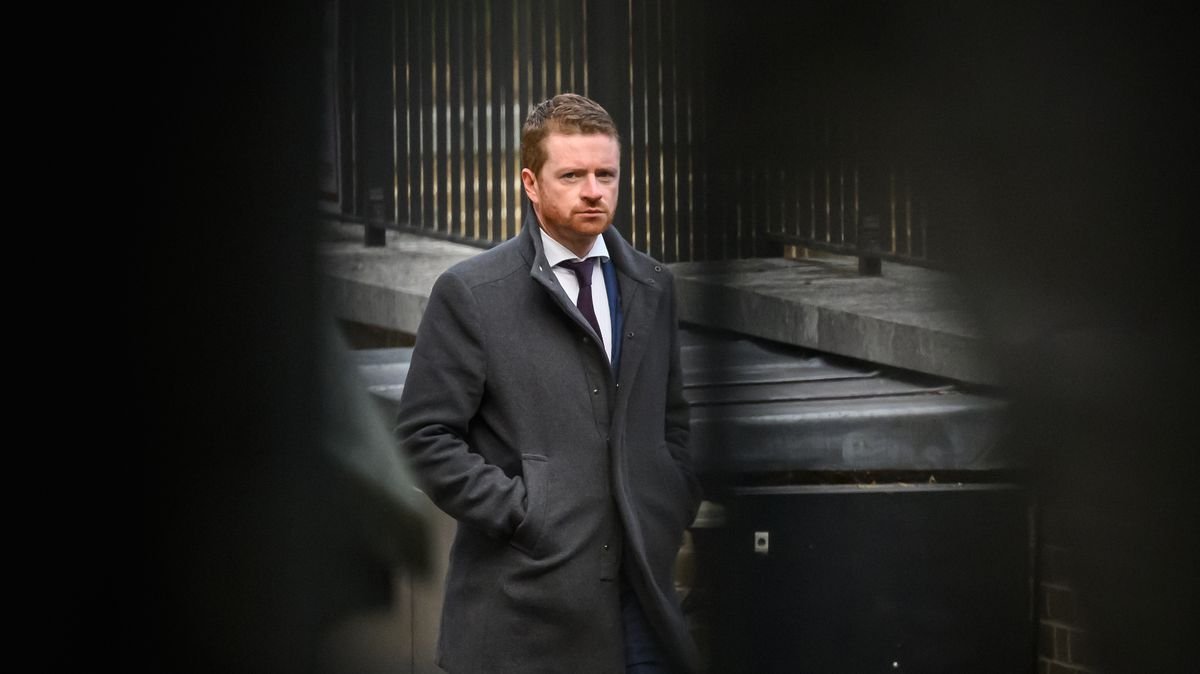

Keir Starmer faces a challenging path ahead as his trusted advisor, Morgan McSweeney, steps down amidst mounting criticism for his role in key decisions. McSweeney, known for orchestrating Starmer’s rise within the party, has recently come under fire for a series of missteps and policy reversals, prompting a wave of discontent among party members.
In his resignation statement, McSweeney acknowledged the need to take responsibility for his actions, noting the increasing pressure for change. The situation mirrors past controversies involving high-profile advisors like Dominic Cummings and Peter Mandelson, highlighting the risks associated with such roles.
The aftermath of McSweeney’s departure remains uncertain, with implications for Starmer’s leadership and the party’s future. While McSweeney hopes his resignation will relieve some pressure on Starmer, the leader must now act swiftly to address mounting concerns and regain support from disillusioned MPs.
Following McSweeney’s announcement, conflicting opinions emerged within Labour circles, with calls for both resignation and stability. The political landscape remains volatile, with challenges ahead for Starmer as he seeks to restore confidence and focus on core policy issues.
McSweeney’s tenure as chief of staff was marred by controversies such as policy failures and declining public approval, leading to his eventual exit. His departure leaves a void in Starmer’s inner circle, necessitating the appointment of a new advisor to navigate the current turmoil and redirect attention to policy priorities.
Amidst these developments, Starmer faces a daunting task ahead as he strives to steer the party through turbulent times and rebuild trust among constituents and lawmakers.