

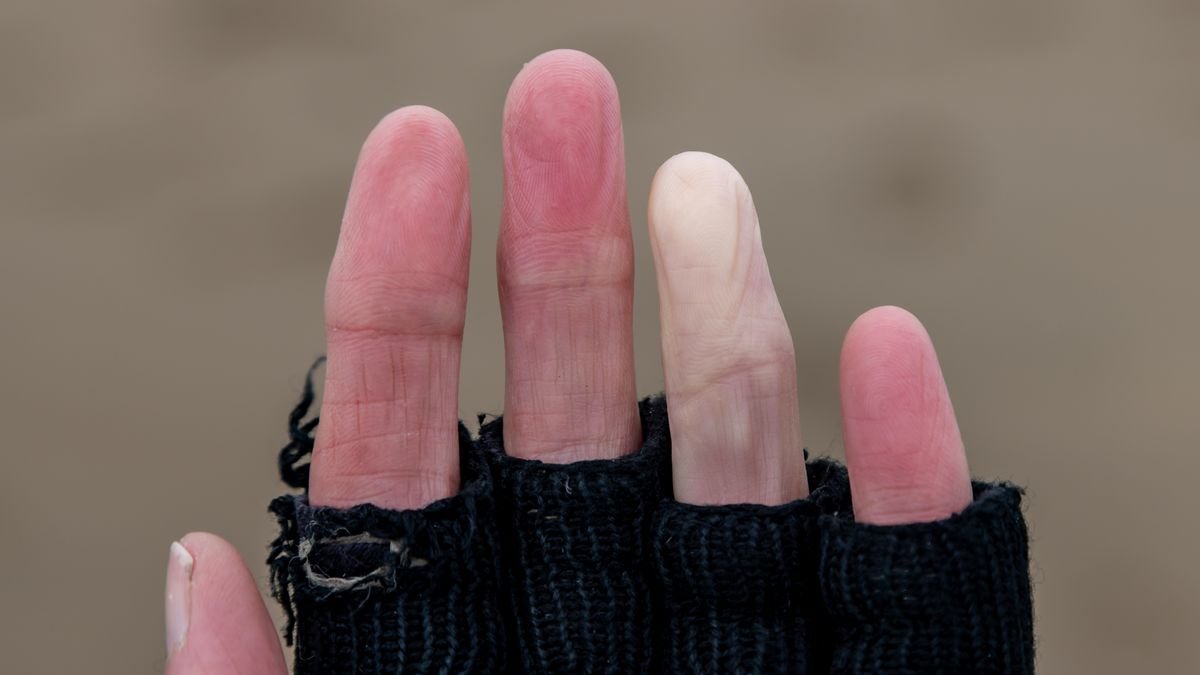

The NHS has brought attention to a standard set of indications and their potential impact on individuals in cold or stressful conditions. While these symptoms are generally not alarming, they could occasionally signify a more severe underlying problem.
In a recent post on Twitter, the health service explained, “Raynaud’s condition can disrupt blood flow to your fingers and toes, leading to changes in color when exposed to cold temperatures or stress. Learn more about symptoms and treatments here.”
As highlighted by the NHS, Raynaud’s is a prevalent condition characterized by an exaggerated response of blood vessels to cold or stress, resulting in their constriction and reduced blood flow to specific areas, manifesting in various key symptoms.
Common signs of Raynaud’s include paleness, pain, numbness, or tingling in the fingers and toes, along with a pins-and-needles sensation. Some individuals may also experience these symptoms in their ears, nipples, lips, and nose, with durations ranging from minutes to hours.
While these symptoms are generally benign and can be managed by staying warm, exercising regularly, and following a balanced diet, the NHS emphasizes consulting a GP in certain critical situations.
According to official online advice from the NHS, these situations include severe or worsening symptoms of Raynaud’s, where a GP might prescribe medications like nifedipine to enhance circulation. In cases where Raynaud’s may indicate more serious conditions like rheumatoid arthritis or lupus, additional tests may be recommended.
Furthermore, the NHS suggests that quitting smoking and reducing caffeine intake can help improve circulation for individuals with Raynaud’s. Beverages like tea, coffee, cola, and chocolate are known to potentially trigger Raynaud’s symptoms.
For detailed information on Raynaud’s, visit the NHS website. SRUK, a charitable organization supporting individuals with scleroderma or Raynaud’s, offers support groups. To access further details, click here.
Main symptoms of Raynaud’s, as per the NHS, typically affect the fingers and toes, although some individuals may also experience symptoms in other areas such as ears, nose, lips, and nipples. According to SRUK, post-attack sensations may include stinging or throbbing pain as the affected area warms up, with symptoms occurring intermittently and varying in duration.