

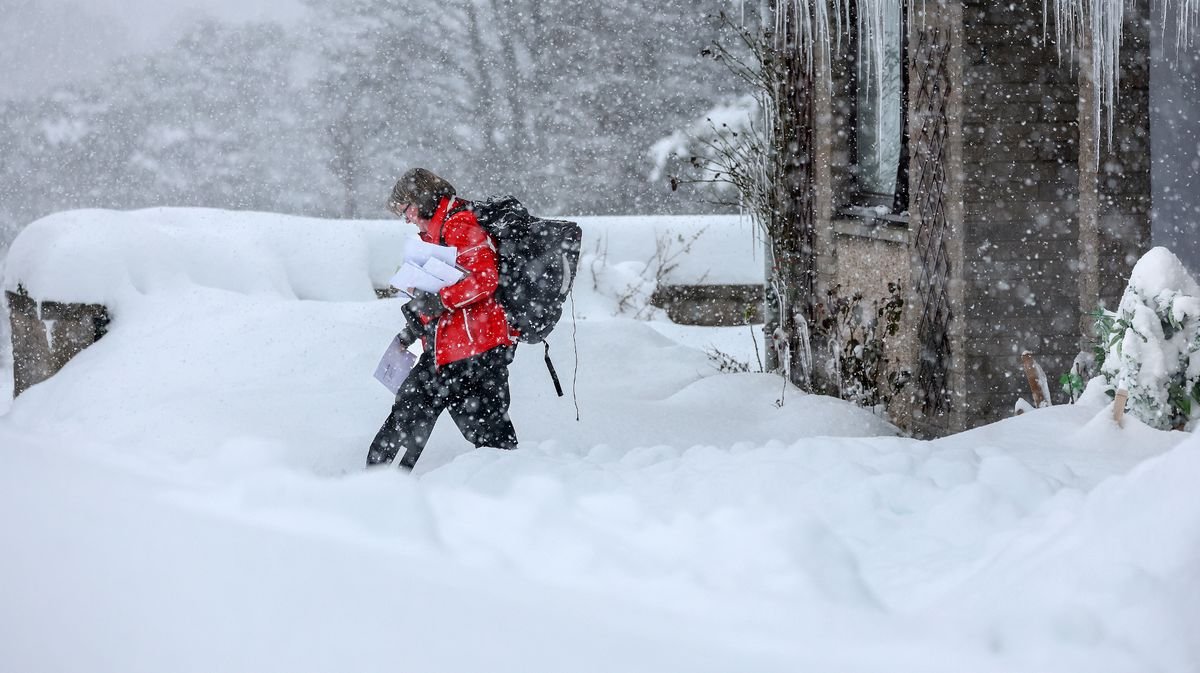

Britons have been cautioned about the risk of avalanches as the nation contends with a persistent Arctic cold snap accompanied by substantial snowfall.
Avalanche warnings have been enforced in six regions of Scotland, with Aberdeenshire declaring a major incident just recently. The Met Office has issued alerts for ongoing snow and ice hazards across most parts of the UK today.
Aberdeenshire Council has alerted about the likelihood of rural communities being isolated and the potential for power outages. Severe disruptions in road, air, and rail travel have been reported nationwide, leading to some railway closures due to deep snow accumulations on the tracks.
The Met Office has issued a yellow weather warning for ice and snow for the northern regions of the country on Wednesday, effective from midnight until 11.59pm.
Weather forecasters anticipate an additional 5-10cm of snow above 100m elevation, with higher areas potentially receiving up to 20cm. Southern and western regions have also been placed on yellow ice warnings from midnight to 10am.
The Scottish Avalanche Information Service has identified six high-risk areas, including Creag Meagaidh, Lochaher, North Cairngorms, South Cairngorms, Torridon, and Glencoe. The avalanche risk level is considered considerable for the first five areas and moderate for Glencoe.
Aberdeenshire Council emphasized the prolonged significant impacts of heavy snowfall and icy rain, leading to further disruptions. The council urged communities to support each other, especially those in remote or vulnerable situations.
The Met Office’s snow and ice warning covers a wide area extending north from Dundee to the Isle of Skye, with expected snowfall persisting in northern Scotland and spreading down the east coast throughout the day.
Police Scotland anticipates continued snow impacts in the coming days in the north and north-east regions, advising people to adhere to travel guidance. Assistant Chief Constable Alan Waddell highlighted ongoing efforts to manage disruptions and support affected communities.
The public is encouraged to monitor service updates and check on neighbors or relatives during adverse weather conditions to ensure safety and well-being.