

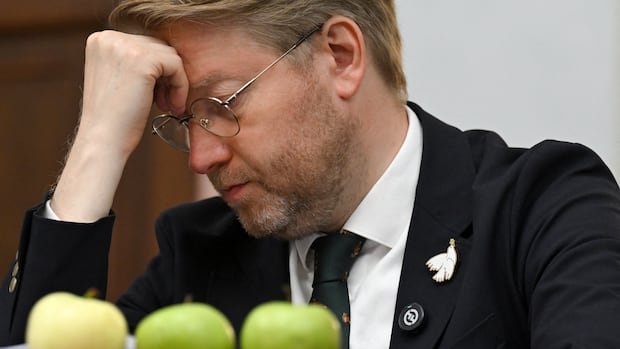

Russia’s top court has ruled to exclude the sole party opposing the Kremlin’s military intervention in Ukraine from the upcoming parliamentary election ballot. The Supreme Court invalidated the registration of Yabloko, known as “apple” in Russian, following a petition from a pro-Kremlin party. Initially permitted by the Central Election Commission, Yabloko, once a prominent liberal voice in parliament and a critic of the government, lost its seats in the State Duma as the Kremlin tightened its control over Russian politics.
Yabloko, the only registered opposition party in recent years to oppose the deployment of troops to Ukraine, was barred from the election despite its campaign advocating for a ceasefire, diplomacy, peace, and freedom from fear and political oppression. Grigory Yavlinsky, a veteran liberal politician and co-founder of Yabloko, expressed disappointment with the decision and announced the party’s intention to appeal, emphasizing the importance of dialogue and public demand for peace and freedom.
Support for Yabloko came from various Russian opposition figures in exile, including Yulia Navalnaya, the widow of Kremlin critic Alexei Navalny, and politicians Ilya Yashin and Vladimir Kara-Murza. Many social media posts surfaced backing Yabloko, featuring individuals expressing support by holding apples or dancing to Russian songs referencing apples.
The decision to remove Yabloko from the ballot reflects the authorities’ reluctance to engage with dissenting viewpoints, particularly concerning Ukraine. Kremlin-aligned parties criticized Yabloko for its anti-war stance and urged legal action against the party. The Motherland Party initiated the lawsuit accusing Yabloko of copyright infringement, excessive campaign spending, and advocating actions undermining Russia’s territorial integrity.
Yabloko’s campaign for peace resonated with the public, challenging the Kremlin’s narrative and prompting a reevaluation of its strategy. The party’s removal from the election highlights the regime’s fear of dissenting opinions and the growing demand for peace and freedom among the Russian populace.