

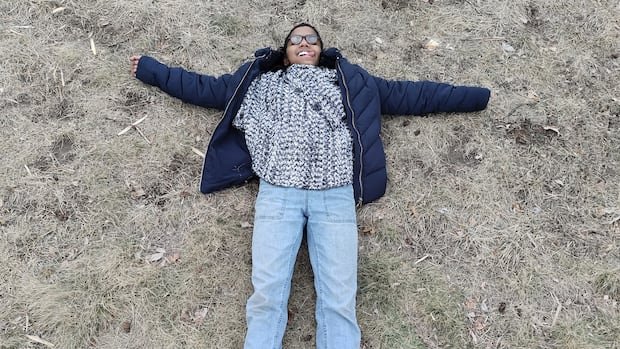

Shantanu Datta, a father who recently moved to Saskatoon with his family in November 2023, shared a heartwarming moment with his 11-year-old daughter. The young girl surprised him one warm Tuesday afternoon by handing him a letter addressed to Santa Claus. Despite being from a generation that typically uses digital communication, she had taken the time to write a traditional letter to Santa, expressing her wishes for snow in their new Canadian home.
The family’s fascination with snow has been a prevalent topic of discussion since their relocation. The daughter’s letter to Santa included a plea for “some snow please (lots, if possible),” reflecting her excitement for experiencing a genuine snowy Christmas in Canada. Her anticipation was fueled by Hollywood depictions of festive scenes in snowy landscapes, contrasting with the lack of snow in Saskatoon leading up to the holidays.
As they face the prospect of a brown Christmas and potentially a snowless New Year in Saskatoon, the family grapples with the reality of climate change and its impact on traditional seasonal experiences. While the daughter remains hopeful for a snowy holiday season, the father contemplates the future of winter climates in their new environment and the need for more serious action on climate change.
The bittersweet anticipation of a snowless Christmas is not lost on the family, as they observe festive decorations deflated and the absence of the snowy backdrop they had envisioned. The daughter’s imaginative musings on the deflated balloons symbolize the melancholy that accompanies the possibility of a sunny rather than snowy holiday season in their new home.
In the midst of these personal reflections, the family’s story resonates with the broader context of climate change discussions at the COP28 conference in Dubai. As they navigate the nuances of their first Christmas in a snowless setting, their experiences serve as a poignant reminder of the evolving impact of climate change on traditional seasonal norms.