

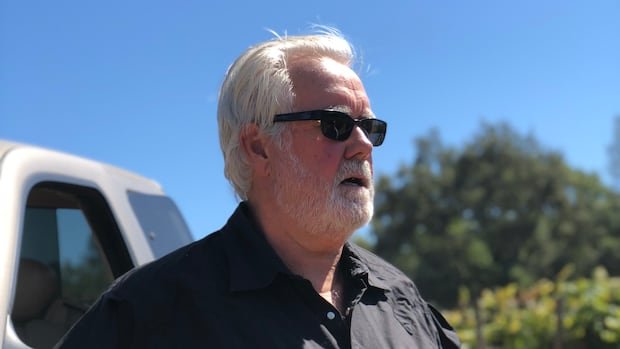

The routine of shipping Syrah wine from Bill Easton’s California winery to Montreal every six weeks was disrupted when Quebec stopped selling American alcohol last spring. Now, Easton pays $1,200 monthly to store wine in a temperature-controlled facility until sales resume. He mentioned having wine specifically labeled for the Quebec market in a warehouse awaiting sale.
The ban on U.S. alcohol by Canadian provinces has become a focal point in trade discussions, with winemakers feeling caught in the middle of international trade tensions. Easton expressed confusion at seeing their livelihoods used as bargaining chips in negotiations between Canada and the U.S.
Most Canadian provinces halted U.S. alcohol distribution in response to tariffs imposed by President Donald Trump. Prime Minister Mark Carney has urged provinces to reconsider, aiming to prevent new tariffs on Canadian goods. Some premiers expressed willingness to lift the ban if the deal is favorable, while others remain cautious, not wanting to lose leverage in the trade dispute.
Manitoba Premier Wab Kinew criticized Trump’s approach, calling him weak and emphasizing the need for Canada to stand firm in negotiations. The absence of American alcohol products on Canadian shelves has irked Washington, with Trump identifying it as one of the key issues behind his tariff threats.
The Oregon Wine Growers Association highlighted the importance of rebuilding trust with Canadian buyers through stable trade relations. They emphasized the need for long-term agreements to maintain relationships that take significant time and effort to establish.
Despite the potential return of American alcohol to Canadian stores, many Canadians have indicated they will continue to boycott U.S. brands due to personal preferences or loyalty to local products. Trade data shows a significant decline in U.S. wine exports to Canada, impacting the wine industry’s revenue.
Amidst uncertainty, Easton revealed the substantial financial losses incurred due to the bans and remains cautiously optimistic about a resolution. He expressed a desire for a return to normalcy in trade relations but remains uncertain about the possibility of a quick resolution.