

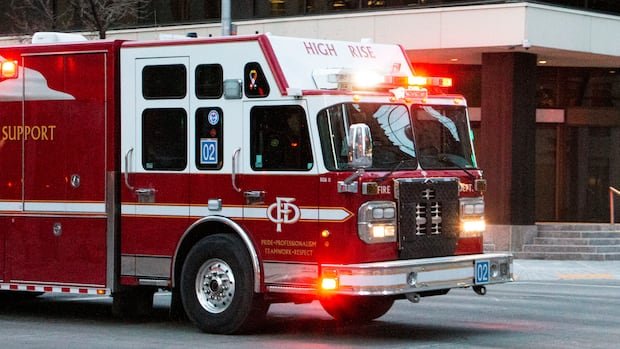

New data released by the City of Calgary indicates that the fire department is projected to handle over 170% more overdose calls this year compared to the previous year. Fire Chief Steve Dongworth highlighted that the surge in overdose calls is part of a broader increase in medical emergency responses, potentially leading the department to set a new record this year with an estimated total call volume nearing 100,000.
Dongworth emphasized the evolving responsibilities of firefighters, with overdose calls now constituting approximately half of all emergency calls. This shift poses new operational challenges as it impacts service performance and the availability of units to promptly respond to emergencies as needed.
To manage these challenges effectively, the department has undertaken efforts to identify which calls necessitate a fire department response. However, the capacity created by this optimization is being absorbed by the rising number of medical incidents, especially opioid overdoses.
The demanding nature of these emergency calls also takes a toll on staff members, as they frequently encounter individuals facing challenging circumstances that can result in tragic outcomes. Consequently, there has been an uptick in the number of department members taking leave due to the stresses associated with these calls.
In response to these escalating demands, Dongworth indicated that the department will be seeking increased budget allocations from the city. Additionally, he appealed to the provincial government for financial support to offset the surge in medical emergency responses, particularly overdoses. This assistance would alleviate the pressure on the department’s resources, preventing the need for additional requests to the city council.
Meanwhile, Monty Ghosh, an addictions specialist and professor at the University of Calgary and University of Alberta, suggested that changes in the local drug supply may be contributing to the spike in overdoses. He highlighted the presence of more potent forms of fentanyl combined with potent animal tranquilizers in street drugs, which can prolong the user’s high but also make overdose responses more challenging due to altered responses to naloxone.
Ghosh speculated that this shift in the drug supply could be a factor in the increased reliance on firefighter calls for overdose support, as community members may struggle to address overdoses independently and seek assistance from EMS or fire services.