

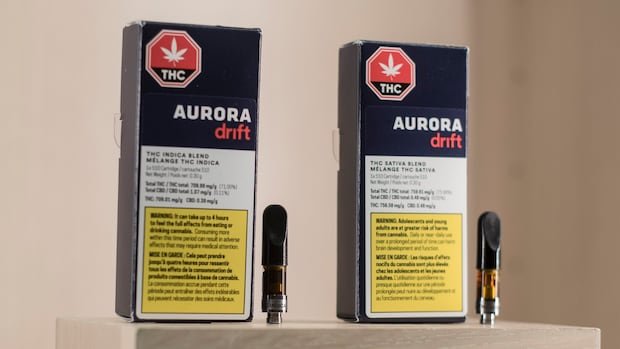

A U.S. cannabis company, Curaleaf Holdings Inc., has expressed interest in acquiring Aurora Cannabis Inc., a company based in Edmonton. Aurora has formed a special committee to review the unsolicited bid presented by Curaleaf. If successful, this acquisition would result in the formation of a larger cannabis entity operating in 17 countries globally.
Curaleaf, headquartered in Stamford, Conn., publicly disclosed its intention to purchase all shares of Aurora after private negotiations with Aurora’s leadership failed. Despite sending formal letters of intent on June 23 and July 7, Aurora’s board did not engage in meaningful discussions, according to Curaleaf.
In response, Curaleaf proposed offering Aurora shareholders $4 US per share along with an additional $0.75 US in cash for each share. Aurora acknowledged receiving the letters from Curaleaf but refuted claims that it rejected the offer, stating that ongoing communication was encouraged.
Aurora plans to establish an independent committee to evaluate the proposal’s viability and alignment with stakeholders’ interests. While the company remains open to discussions, there is no guarantee of a deal being finalized. In the meantime, Aurora will continue its regular operations.
Financial analysts at TD Cowen expressed reservations about the proposed bid, suggesting that it undervalues Aurora’s long-term potential. They highlighted Aurora’s market leadership, product portfolio, financial stability, and regulatory expertise as factors that could lead to greater value creation in the future.
Curaleaf’s CEO, Boris Jordan, believes that merging the two companies would leverage Curaleaf’s distribution network and Aurora’s global medical cannabis presence, cultivation capabilities, and manufacturing capacity. The combined revenue of both entities over the past year exceeded $1.5 billion US, with Curaleaf anticipating $40 million US in annual cost savings from the acquisition.
Jordan emphasized that the merger would benefit shareholders of both companies, offering an expanded global platform and exposure to favorable U.S. regulatory trends.