

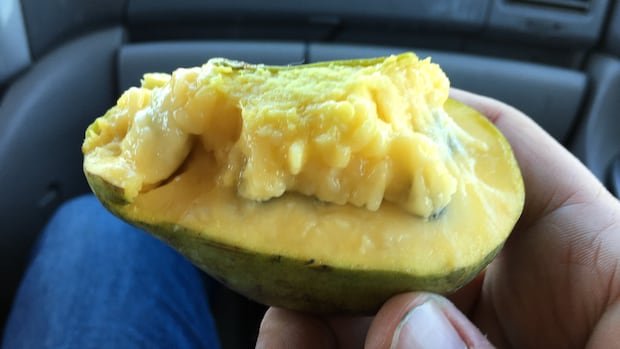

In Canada, the pawpaw fruit, with its tropical taste, is considered a hidden gem by chef Tawnya Brant. Describing it as a blend of banana, mango, and pineapple flavors with a creamy texture that turns caramel-like when ripe, Brant highlights the unique qualities of this fruit. Native to North America and once widely enjoyed by Indigenous communities, pawpaws have faced challenges in commercial cultivation due to their short shelf life and susceptibility to bruising.
Brant, a Mohawk chef, recalls the historical significance of pawpaws among the Haudenosaunee people and their tradition of transporting the trees along the eastern seaboard. The fruit, which has a distinctive appearance with large seeds inside, holds cultural value and memories of gathering them in creeks on makeshift rafts.
Thomas Mathias, a farmer from Ontario, shares his journey of cultivating pawpaws and the unconventional methods he used to facilitate pollination, such as placing raw manure under the trees. This mix of horse and llama manure attracts pollinators like blue bottle flies, aiding in fruit production.
At Mathias Farm, the pawpaw trees yield a substantial amount of fruit annually, attracting interest from consumers intrigued by this exotic fruit. Beth Secord, Mathias’ sister, notes the growing popularity of pawpaws and the positive feedback they receive from customers who appreciate the fruit’s unique taste and health benefits.
As interest in pawpaws continues to rise, festivals dedicated to celebrating this fruit have emerged in different parts of Canada. Brant recommends exploring farmers’ markets or attending pawpaw festivals to experience the versatility of this fruit in various culinary creations, from salad dressings to desserts like pawpaw cheesecake.
Although Brant’s own pawpaw trees are still maturing, she looks forward to sharing the joy of this “treasured little gift” with more people in the future, emphasizing the special nature of this annual harvest.