

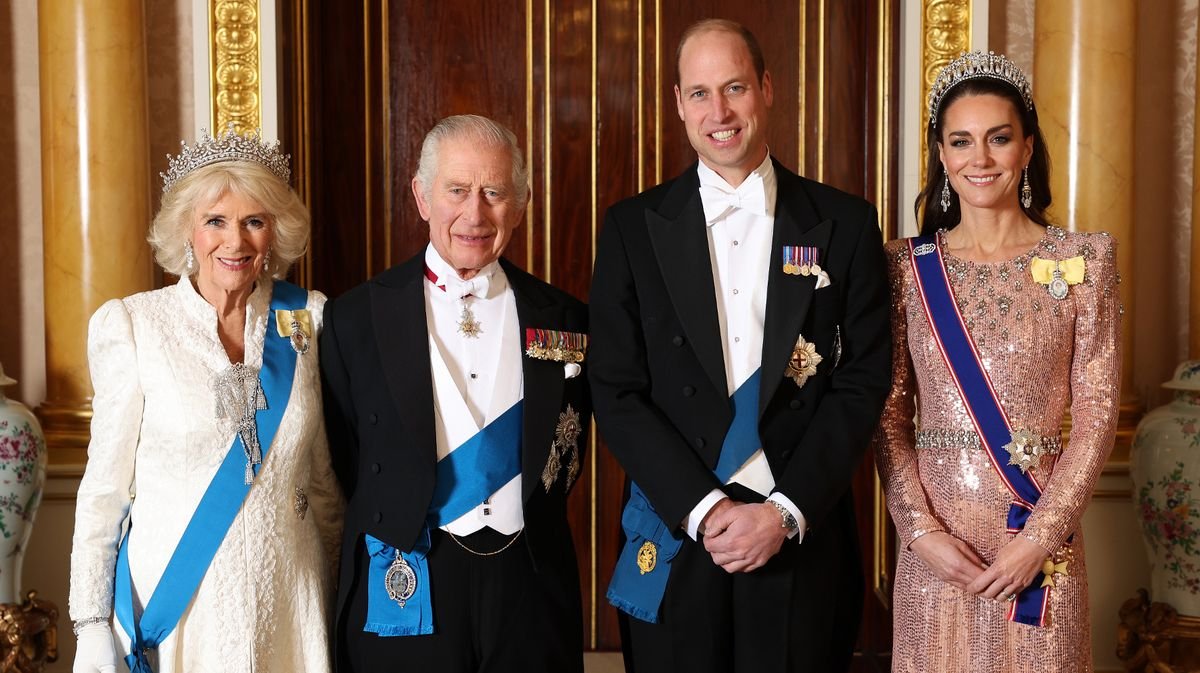

Charles, William, and Queen Elizabeth II have been aware of Andrew Mountbatten-Windsor’s alleged misconduct, financial activities, trading dealings, and questionable associates. Despite public perception of Andrew as a problematic figure, his family continued to support him, even lending him £12 million to avoid a legal battle in the US.
The ongoing protection and financial backing of Andrew by the royal family have raised concerns about their accountability. Merely disassociating from him, revoking his titles, and leaving matters to the police will not suffice in addressing the situation. The monarchy is facing a significant transformation due to these events.
The actions of Andrew and his enablers have significantly damaged the institution of the monarchy from within. This crisis is deemed more severe than historical events like Edward VIII’s abdication. The exposure of details related to Jeffrey Epstein has led to increased scrutiny, shedding light on issues that cannot be ignored or overlooked.
The public is becoming increasingly critical of the monarchy, considering the substantial cost it incurs annually. Calls for greater transparency and accountability are growing, with discussions emerging about the future of the monarchy. The possibility of transitioning to a Dutch-style monarchy or implementing a system where the head of state is elected rather than inherited is gaining traction.
Recent political events, including the Gorton and Denton by-election, are of significant interest, with uncertainties surrounding the outcome. The combined support for Labour and the Green Party is expected to surpass that of Reform, prompting strategic considerations among voters.
Efforts to enhance educational provisions for children with special needs are gaining support from former Education Secretaries. The focus is not solely on financial aspects but on addressing the increasing demand for specialized education services. The government’s initiatives in this area are seen as proactive and beneficial.
Nigel Farage’s recent actions regarding the Chagos Islands have been criticized, highlighting his controversial approach to political matters. The international implications of returning the islands to Mauritius are being debated, with emphasis on rectifying historical injustices.
In conclusion, the evolving political landscape and public sentiment indicate a growing discontent with traditional institutions and a desire for more accountable and transparent governance structures.