


A courageous individual fought off sharks for several days while his group of US naval sailors awaited rescue from the Pacific Ocean following their ship’s sudden sinking. On July 26, 1945, Harlan Twible’s ship, the Indianapolis or “Indy,” unknowingly transported crucial components of the world’s first nuclear weapon to scientists on Tinian. Disappointed with what seemed like an insignificant mission, Twible found himself thrust into a historic event when the Indy was attacked by Japanese torpedoes, leading to its rapid destruction.
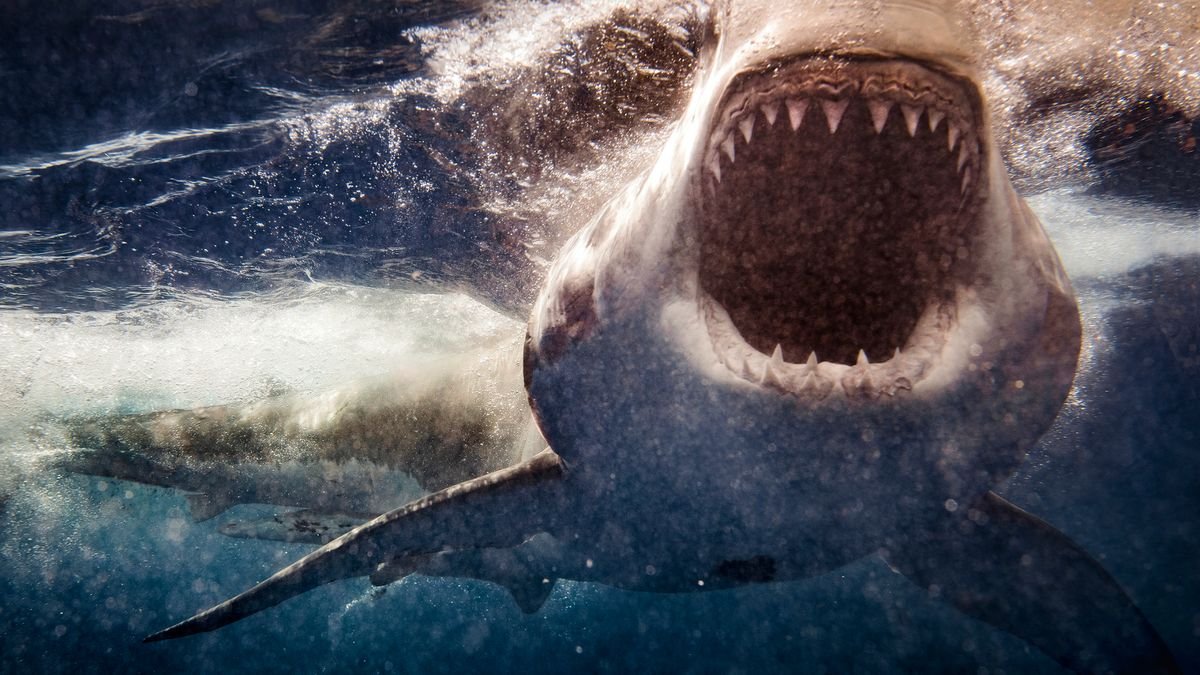
Taking command in the chaos, Twible directed the crew to abandon ship, leading to a frantic struggle for survival in the water. Despite the loss of 300 lives during the sinking, Twible’s leadership saved around 900 individuals. However, the survivors faced a new threat as they found themselves surrounded by sharks, resulting in further casualties.
Facing overwhelming fear and uncertainty, Twible worked tirelessly to keep hope alive among the crew, even as the numbers of survivors dwindled. Battling against shark attacks, Twible and his group organized defense measures to protect themselves, resorting to fighting off the predators with their bare hands. After enduring four harrowing days and five nights, the survivors were eventually spotted by a US Navy aircraft, marking the end of their ordeal.
With only 316 individuals surviving the tragedy, it became one of the darkest chapters in US Naval history. Twible’s unwavering determination to save lives and his crucial decisions during the crisis were instrumental in the group’s survival. Reflecting on the events, Twible emphasized the gravity of his choices and the immense risks involved in ensuring the safety of his fellow sailors.