


A recent study has shown that over 40% of households are still cutting back on expenses to cover essential bills, despite some early indications that the cost of living crisis might be easing for certain individuals. The research conducted by consumer group Which? revealed that a significant number of people are facing financial strains, with 44% resorting to measures such as using savings, selling belongings, or borrowing money to meet costs like utilities, housing, groceries, education supplies, and healthcare within the past month.
While the survey suggests a decline in the percentage of individuals facing these difficult choices, dropping from 47% in December to the current 44%, it also noted an increase in the number of respondents who reported missing a household payment in the last month, rising from 4.5% to 5.8%. Nevertheless, this figure is lower compared to nearly 10% reported in November 2023.
Perceptions about the UK economy seem to be evolving, with more people starting to believe that there might be an improvement. This shift could be a positive sign for Chancellor Rachel Reeves and the Labour government, as subdued consumer confidence has led many households with disposable income to hold off on spending.
Despite these developments, only 14% of adults foresee a better economic outlook in the next year, while over half anticipate a worsening situation. Rocio Concha, Director of Policy and Advocacy at Which?, highlighted that while fewer households are resorting to financial adjustments, many are still struggling to make ends meet. The ongoing cold weather in February adds additional financial pressure, especially in keeping homes warm.
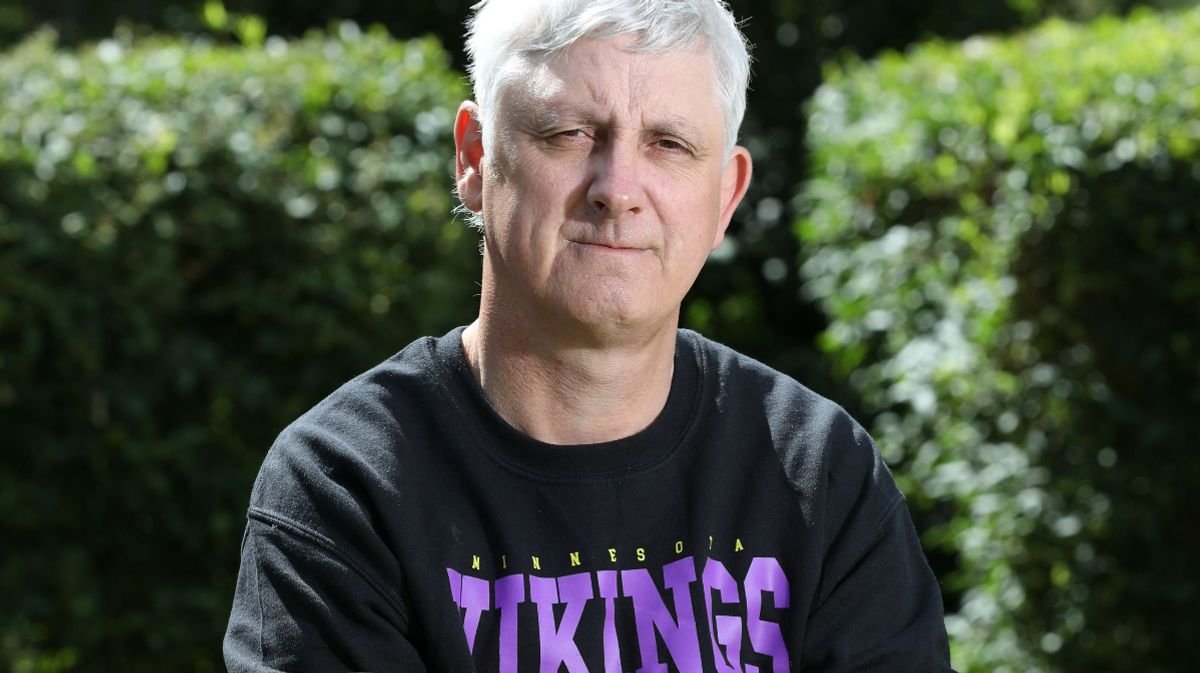
One unpaid carer, Paul Ridley, shared his ongoing challenges amidst the cost of living crisis. Paul, who cares for his two adult children, including a son with complex needs, emphasized the financial strain and difficulties faced by families like his. Rising food prices and increased energy costs have further exacerbated their situation, making it challenging to meet essential needs.
Paul’s story sheds light on the daily struggles faced by carers, who are already under immense pressure due to their caregiving responsibilities. The impact of the cost of living crisis adds an extra layer of stress to their already demanding roles.