


Abdul Razaq Khan, a former translator and assistant for Canadian journalists during the Afghan conflict, received a late-night message from a journalist he had guided through the chaotic streets of Kandahar five years ago. Khan, who had since relocated to a job at the American aid agency USAID in Kabul after the Canadian pullout from Afghanistan, was startled by the news that the Taliban was advancing on Kabul in the summer of 2021.
Responding to the message, Khan expressed his shock at the unfolding events, reflecting on the abrupt collapse of the western-supported government and his personal loss of job, home, and country. Having safely resettled in Canada now, Khan still grapples with the emotions of leaving his homeland under distressing circumstances.
Having fled on foot just ahead of the Taliban’s takeover of Kabul, Khan considers himself fortunate to have escaped the perilous situation, given the risks associated with his past work with Canadian media outlets, including The Canadian Press, CTV News, and Postmedia, which made him a target for reprisal.
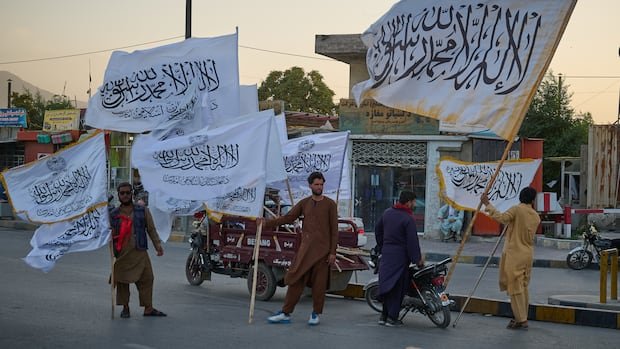
The Taliban’s resurgence not only led to the displacement of hundreds of thousands of Afghans but also resulted in the harsh imposition of their strict, authoritarian rule, marked by the marginalization of women, censorship of media, and enforcement of rigid moral codes through a dedicated ministry.
In particular, Afghan women have borne the brunt of the Taliban’s policies, with reports from The Zan Times highlighting a surge in violence against women and a lack of accountability in cases of female deaths. The organization’s founder, Zahra Nader, pointed out the alarming trend of women’s deaths being dismissed as suicides, allowing perpetrators to evade justice.
Despite international efforts to protect women’s rights in Afghanistan post-2021, the response has mainly relied on diplomatic measures and targeted sanctions, as direct intervention remains challenging. Various countries have initiated special visa programs for high-risk Afghan women, including judges, activists, journalists, and politicians, but these initiatives have faced significant challenges.
Recent reports from organizations like Local Staff International and AfghanEvac have underscored the complexities of evacuating and resettling vulnerable Afghans, with countries struggling to meet the demands of the crisis. While Canada successfully resettled over 60,000 Afghans, there are still many vulnerable individuals under the Taliban’s oppressive regime, prompting calls for continued support and action.
In light of these developments, stakeholders and policymakers emphasize the importance of honoring commitments made to Afghan allies who risked their lives for international forces. The Allied Ledger report serves as a reminder of the obligations owed to those who stood by Western troops during the Afghan conflict, urging continued efforts to fulfill promises and support those in need.