

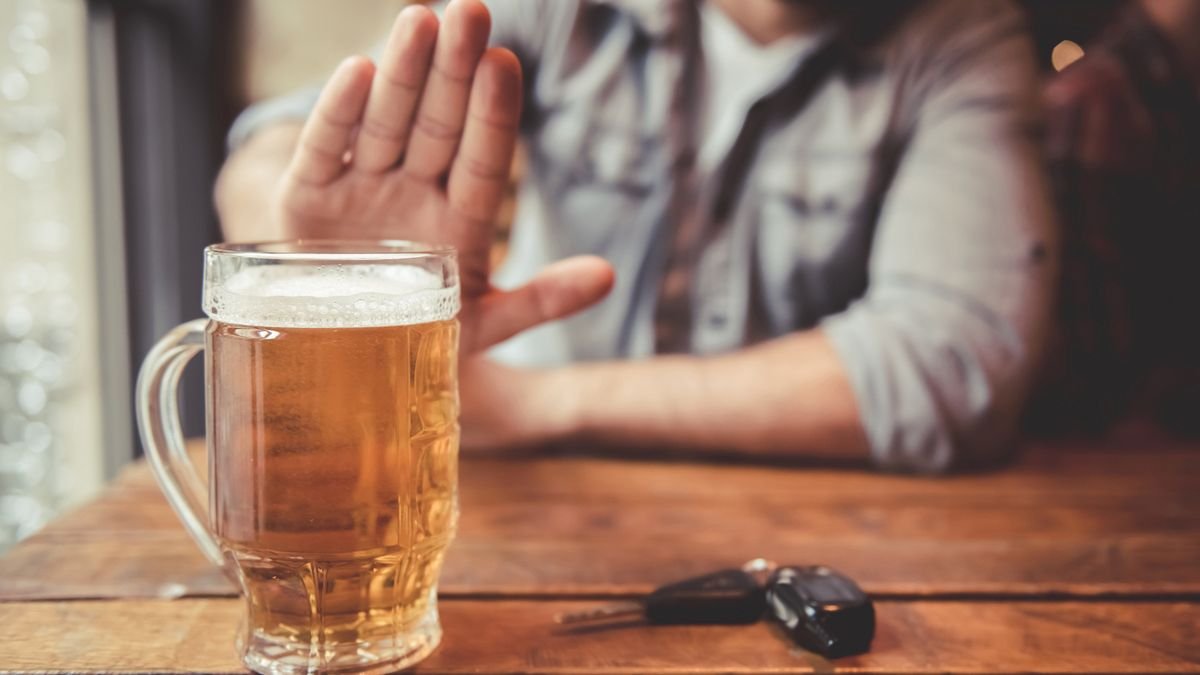

Ministers are encountering resistance from pub owners regarding their proposal to reduce the drink-drive limit in order to enhance road safety.
As part of a significant road safety initiative, there is a plan to decrease the drink-drive limit in England and Wales from 35 micrograms of alcohol per 100ml of breath to 22 micrograms, aligning it with Scotland’s limit set in 2014. Currently, England and Wales have the highest limit in Europe, on par with Malta.
Lowering the limit could result in just one pint causing some individuals to exceed the threshold. Various factors such as age, weight, and gender play a role in determining how much alcohol a person can consume before reaching the limit.
Representatives from rural pubs have expressed concerns about the potential impact of these measures on the industry. However, government officials have defended the proposal, citing the tragic incidents caused by drink-driving as a driving force behind the decision. They highlighted that Scotland’s experience with a lower drink-drive limit did not negatively affect the pub sector.
Transport minister Ms. Greenwood emphasized the importance of not drinking and driving, stating that the aim is to prevent further loss of lives due to drink-driving incidents. She referenced the significant number of fatalities related to drink driving in recent years to underscore the necessity of taking action.
In 2024, 1,633 individuals lost their lives on Britain’s roads, with nearly 28,000 sustaining serious injuries in traffic accidents. The number of fatalities from drink-driving incidents has been on the rise, reaching a 13-year peak in 2022. This trend has raised concerns about the effectiveness of current road safety measures.
Critics of the plan, including Reform leader Nigel Farage, argue that the proposed changes could negatively impact country pubs. On the other hand, the British Beer and Pub Association (BBPA) affirmed the industry’s commitment to promoting responsible drinking and highlighted the decline in alcohol-related driving accidents according to recent government data.
The road safety strategy, described as the most significant overhaul in decades, also includes proposals to mandate the installation of “alcolocks” for some convicted drink-drivers and grant authorities the power to suspend driving licenses for individuals suspected of driving under the influence of alcohol or drugs.
An alcohol interlock, commonly known as an ‘alcolock,’ is a device that can be fitted in a vehicle to prevent the driver from operating it if they have consumed alcohol above a specified limit.
The government is contemplating reducing the drink-drive limit, seeking public opinion on the matter through a poll. This move is part of ongoing efforts to enhance road safety and reduce the number of alcohol-related incidents on the roads.