

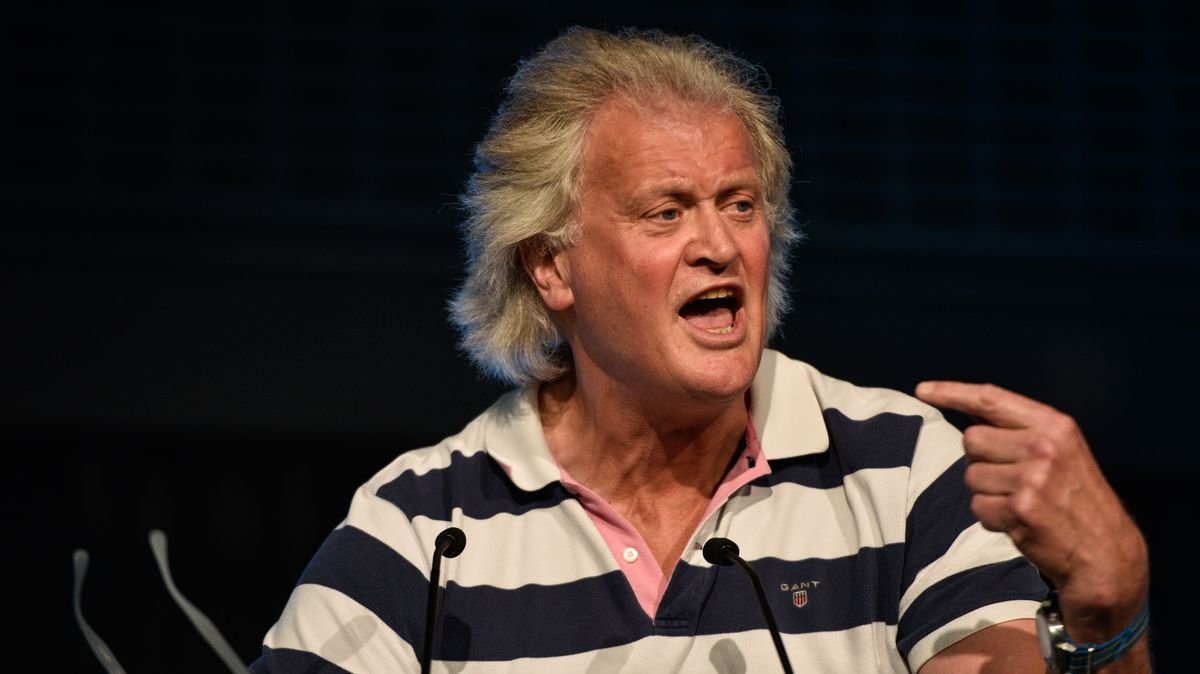

The creator of the popular pub chain Wetherspoons has raised concerns about the ongoing tax discrepancies between pubs and supermarkets, highlighting a significant challenge for the hospitality industry. As lawmaker Rachel Reeves prepares to announce specific assistance measures, the Chancellor is expected to introduce a relief package worth approximately £300 million to aid pubs in adjusting to the conclusion of pandemic-related support programs.
The proposed measures are likely to include initiatives to alleviate the pressure of escalating business rates. However, Tim Martin, the chairman of JD Wetherspoon, emphasized that pubs are also facing tough competition from supermarkets offering discounted prices.
In a direct message to the Chancellor, Martin urged for a fair playing field, stating that pubs are taxed more than supermarkets, with pubs paying 20% VAT on food compared to supermarkets paying nothing. He warned that without equality, pubs could face a decline relative to supermarkets.
This call for support comes as Rachel Reeves acknowledged the struggles faced by publicans facing potential increases in business rates. The Mirror has been actively supporting local pubs through its ongoing campaign, “Your Pub Needs You.”
Speaking from the World Economic Forum in Davos, Reeves expressed her commitment to working with the pub sector to ensure appropriate support measures are in place. While acknowledging the government’s efforts to reduce rates for retail, hospitality, and leisure sectors, the perceived special treatment for pubs has sparked demands for similar assistance from other industries.
Jon Collins, CEO of LIVE representing music and entertainment businesses, criticized the preferential treatment for pubs, stating that it could have negative impacts on venues and lead to closures, job losses, and higher ticket prices. He emphasized the economic benefits generated by live shows and the detrimental effects of increased business rates on the entertainment sector.
Darsh Shah, a partner at advisory firm Blick Rothenberg, called for extending relief funds to hotels facing substantial tax and operational cost hikes. He highlighted the challenges hotels are encountering, including soaring ratable values and additional financial burdens, and proposed a support fund similar to the one available for pubs to help hotels manage business rates incrementally over a three-year period.
The push for equitable support across various sectors underscores the need for comprehensive measures to protect businesses facing financial pressures amid changing tax structures and economic conditions.