

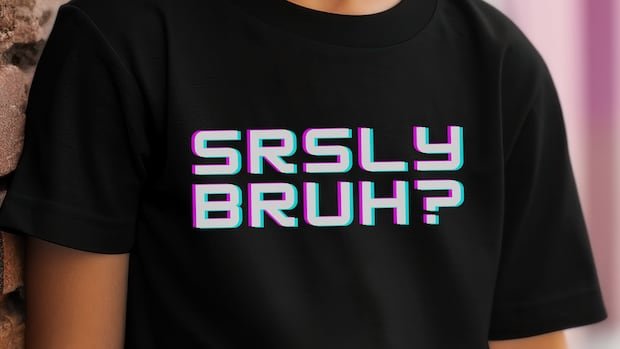

When Sam Joseph Karam received an email from e-commerce platform Etsy informing him that 11 of his T-shirt designs featuring the term “bruh” had been removed due to a trademark violation, he became suspicious. Karam, the owner of Customized Designs, a U.S.-based apparel company selling on platforms like Etsy, found it unusual that multiple listings were taken down at once, prompting immediate attention.
In addition to the takedowns, Etsy also stripped Karam of his Star Seller badge, impacting his sales performance. The email cited a complaint from Malik Yawar Abbas, a Canadian trademark holder of the term “bruh,” as the reason for the removal. Karam’s experience is not unique, as several other Etsy sellers reported similar instances of their listings being removed following complaints by Abbas.
Karam accused Abbas of trademark “squatting,” suggesting that Abbas aimed to profit by licensing the term rather than using it to produce goods. Legal experts argue that platforms and the legal system need to address issues related to such trademark practices to prevent misuse.
The Canadian Intellectual Property Office (CIPO) granted a trademark for “bruh” in July 2025 for various clothing items and recently awarded Abbas another trademark for restaurant services advertising. CIPO declined to comment on the specific trademark but stated that each application undergoes individual examination.
After discovering Abbas’s website outlining the protection of the “bruh” trademark and offering licensing options, Karam was surprised to find no actual products for sale, only concept designs featuring the term. Abbas defended this approach as showcasing potential commercial uses of the brand.
When Karam reached out to Abbas to resolve the Etsy takedowns, Abbas proposed a settlement of $1,000, which Karam rejected, deeming it an act of bad faith. Abbas later retracted the complaint to Etsy after the listings were removed, but Karam expressed dissatisfaction with the situation and is contemplating legal action to challenge the trademark’s validity.
Under Canadian trademark laws, trademarks filed in bad faith can be invalidated, although the application of this provision remains untested. Legal experts suggest that the circumstances surrounding the “bruh” trademark, including the website presentation and takedown requests, could potentially constitute bad faith.
While trademarks can protect specific product branding, they do not confer complete ownership of a word. The use of “bruh” on Etsy clothing items may not necessarily infringe on the trademark based on how the term is utilized. Etsy sellers facing trademark takedowns are urged to engage with the complainant to address concerns.
Cases like the “bruh” trademark dispute are uncommon in Canada, with typical infringements involving unauthorized brand use. However, experts note the potential for trademark squatting and excessive enforcement, especially impacting smaller businesses due to the high costs of legal battles.
To address such challenges, tighter regulations on trademark issuance and improved appeal processes for trademark disputes on online platforms are recommended. Ensuring a balanced approach to trademark enforcement and protection is crucial to prevent exploitation of the trademark system.