

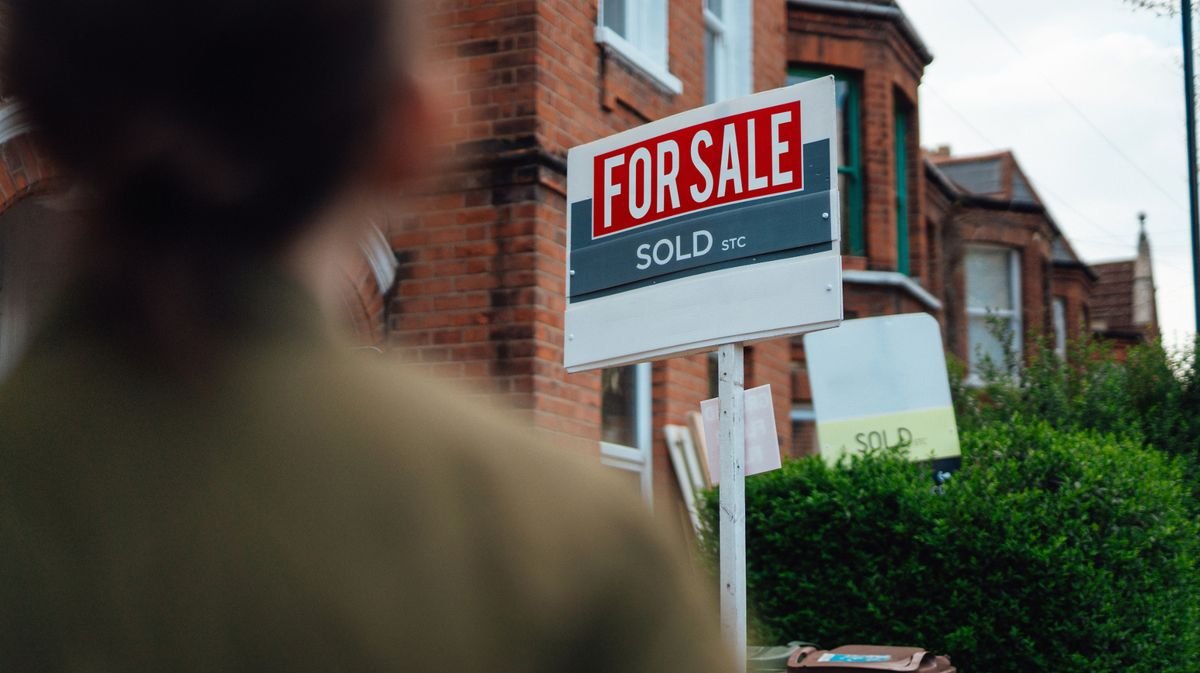

The latest map showcasing the UK’s property trends for 2025 has been released, highlighting areas where prices have notably increased or decreased over the past year.
In 2025, the property market in the UK displayed a mix of growth patterns, starting the year with strong momentum but ending on a subdued note according to the Nationwide House Price Index (HPI). The index reported a modest 0.6 percent growth by the year-end, marking a significant slowdown from the 1.8 percent growth recorded in November.
While the nationwide perspective provides a broad view, detailed data analysis has identified 20 locations experiencing rising property prices and another 20 where prices are declining.
Among the standout findings is the coastal town of Aldeburgh in East Suffolk, identified as the top property hotspot in 2025. The IP15 postcode area, encompassing Aldeburgh, witnessed a remarkable surge in average house prices over the past year, reaching nearly £775,000 per property. This represents a substantial 77 percent increase compared to the average price of £612,000 in 2024.
Aldeburgh’s price surge stands out as the highest percentage increase in any postcode area with at least 20 property sales. In contrast, the Usworth area in Washington, Tyne and Wear, particularly the NE37 postcode, saw homes selling for an average of £164,000 in 2025, making it one of the more affordable areas despite experiencing a significant price jump from £130,000 in 2024.
Firswood, a suburb of Manchester covering the M16 postcode, emerged as another noteworthy hotspot with a 23 percent price increase compared to the previous year. Following closely behind are the MK7 postcode area in Caldecotte, Milton Keynes, and NP24 covering New Tredegar in Wales, both showing a 22 percent rise in property prices.
Unexpectedly, affluent Belgravia in central London experienced the most substantial decline in average house prices over the past year, dropping by over half. Despite the steep decline, the average house price in Belgravia stood at £2.7 million in 2025, marking a 51 percent reduction from the £5.5 million recorded in 2024.
Further away from the capital, the Cotswolds village of Broadway in Worcestershire saw a 36 percent decrease in average house prices, settling at £456,000. Additionally, London’s Fitzrovia neighborhood in Camden, specifically the W1T postcode, witnessed a 33 percent fall in prices, averaging at £916,000.
The list of the top 20 property hotspots and cold spots showcasing the highest percentage changes in prices for different postcode areas are as follows:
Top 20 Postcode Area Price Increases:
– IP15 (Aldeburgh, Suffolk): 27%
– NE37 (Usworth, Sunderland): 26%
– M16 (Firswood, Manchester): 23%
– MK7 (Caldecotte, Milton Keynes): 22%
– NP24 (New Tredegar, Caerphilly): 22%
– LD8 (Presteigne, Powys): 21%
– SY18 (Llanidloes, Powys): 20%
– L24 (Hale, Liverpool): 20%
– WR1 (Worcester, Worcestershire): 19%
– OL1 (Chadderton, Oldham): 18%
20 Worst Postcodes:
– SW1X (Belgravia, Westminster): -51%
– WR12 (Broadway, Worcestershire): -36%
– W1T (Fitzrovia, Camden): -33%
– RG25 (Cliddesden, Basingstoke): -30%
– TA22 (Dulverton, Somerset): -30%
– N2 (East Finchley, Barnet): -29%
– PL28 (Padstow, Cornwall): -29%
– B94 (Olton, Solihull): -28%
– GU25 (Virginia Water, Runnymede): -27%
– CA12 (Keswick, Cumbria): -26%