

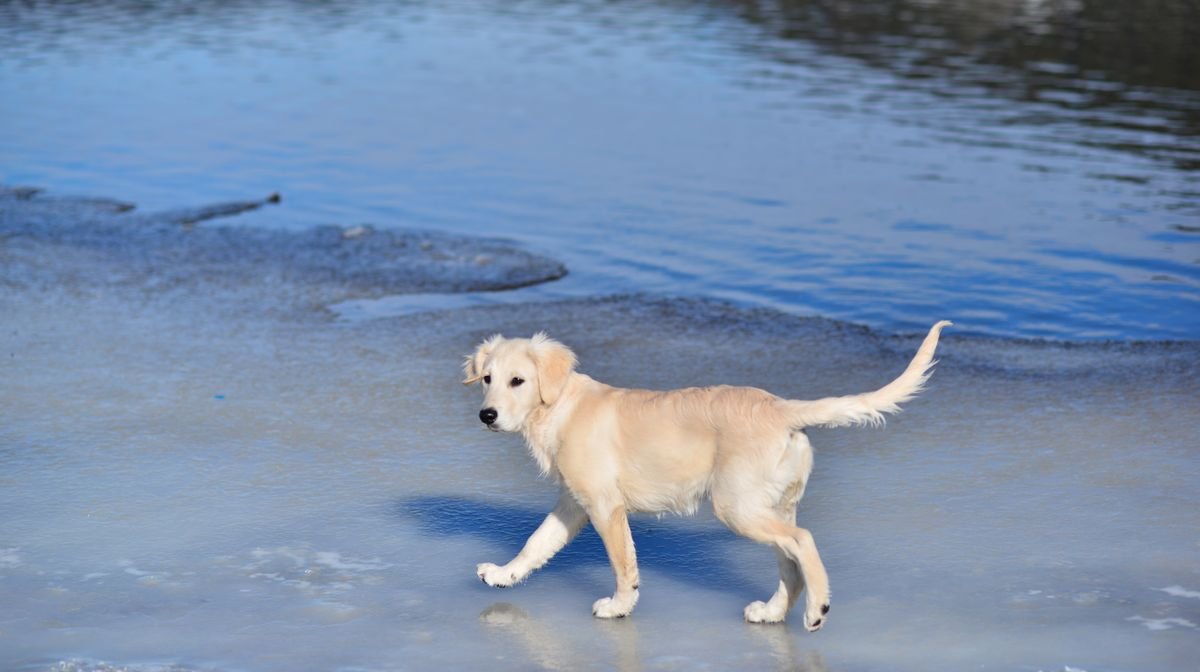

Dog owners are being advised to take extra care this week, ensuring they perform a crucial check before stepping outside. This caution is for all dog owners, whether they have a small dog, a puppy, or an elderly canine.
The advice is to check the outdoor temperature before leashing up, especially as the Met Office has issued snow and ice alerts in various parts of the UK, causing temperatures to drop below freezing in many areas. Despite the harsh cold weather, experts are warning about the potential hazards that dogs may face this week.
Pet insurance specialist Ross Hallifax from Purely Pets emphasized the risks, stating that some owners mistakenly believe that dogs are naturally protected from the cold due to their fur, which is not entirely true. Dogs, like humans, are susceptible to hypothermia and can even suffer from chemical burns caused by winter road salt and grit.
Prolonged exposure to cold, particularly in wet and windy conditions, is a primary factor leading to hypothermia in dogs. The combination of damp and windy weather accelerates heat loss, diminishing the insulating properties of a dog’s coat. Additionally, prolonged contact with icy water can quickly lower a dog’s core temperature, triggering hypothermia.
Experts from Bella+Duke suggest that there is no universal answer to determine how cold is too cold for walking a dog; it depends on various factors. They recommend that when the temperature ranges between 10°C to 7°C, some dog breeds may require a coat for their walks. At temperatures around 5°C or lower, certain dogs are at risk of developing frostbite and hypothermia.
Owners are advised to be aware of the temperature and associated risks, with some temperatures deemed hazardous. Ross emphasized that a dog’s fur can only provide limited protection against cold weather, and if dogs become too cold and cannot warm up, they are at risk of hypothermia.
To prevent discomfort and health issues, Ross suggests avoiding walking dogs during the coldest times of the day and aiming for midday walks when temperatures are slightly higher. While some dogs have natural insulation from thick fur, small, short-haired, and older dogs are more vulnerable to losing heat rapidly and require special care during cold spells.
Ross concludes that maintaining regular exercise for dogs is crucial in winter, just as it is in summer. For breeds less suited to cold weather, such as whippets, greyhounds, and Yorkshire terriers, owners should consider using weatherproof, fleece-lined coats to keep them warm. Limiting their time outdoors in the cold can help prevent discomfort and health risks.